“The future haunts me…”
An atmospheric family saga following four generations of women as they struggle with their supernatural abilities. Inspired by women, events and stories from my own family history, the novel examines a woman’s place: motherhood, generational trauma, how women survive and endure.

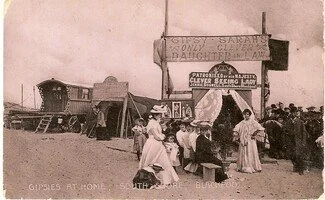
From Victorian Blackpool…
In the village that will become the infamous Blackpool, 18 year old Ellen arrives alone, heavily pregnant and with more than one secret to hide: her gift of foresight and the true father of her child.
As her daughter Agnes grows, Ellen tries to protect her from their past and attempts to build a new life for them, while ignoring the omens of death she can see in the tea leaves at the bottom of Agnes’ cup.
But as Agnes matures and discovers her own abilities, the divide between mother and daughter deepens. Believing she can leave her fate behind, Agnes leaves her mother and Blackpool, embarking on her own journey across Lancashire.
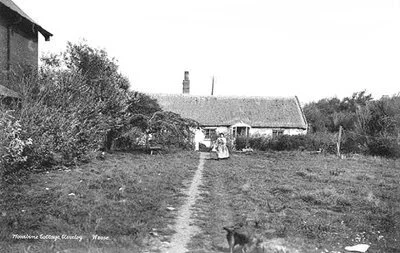
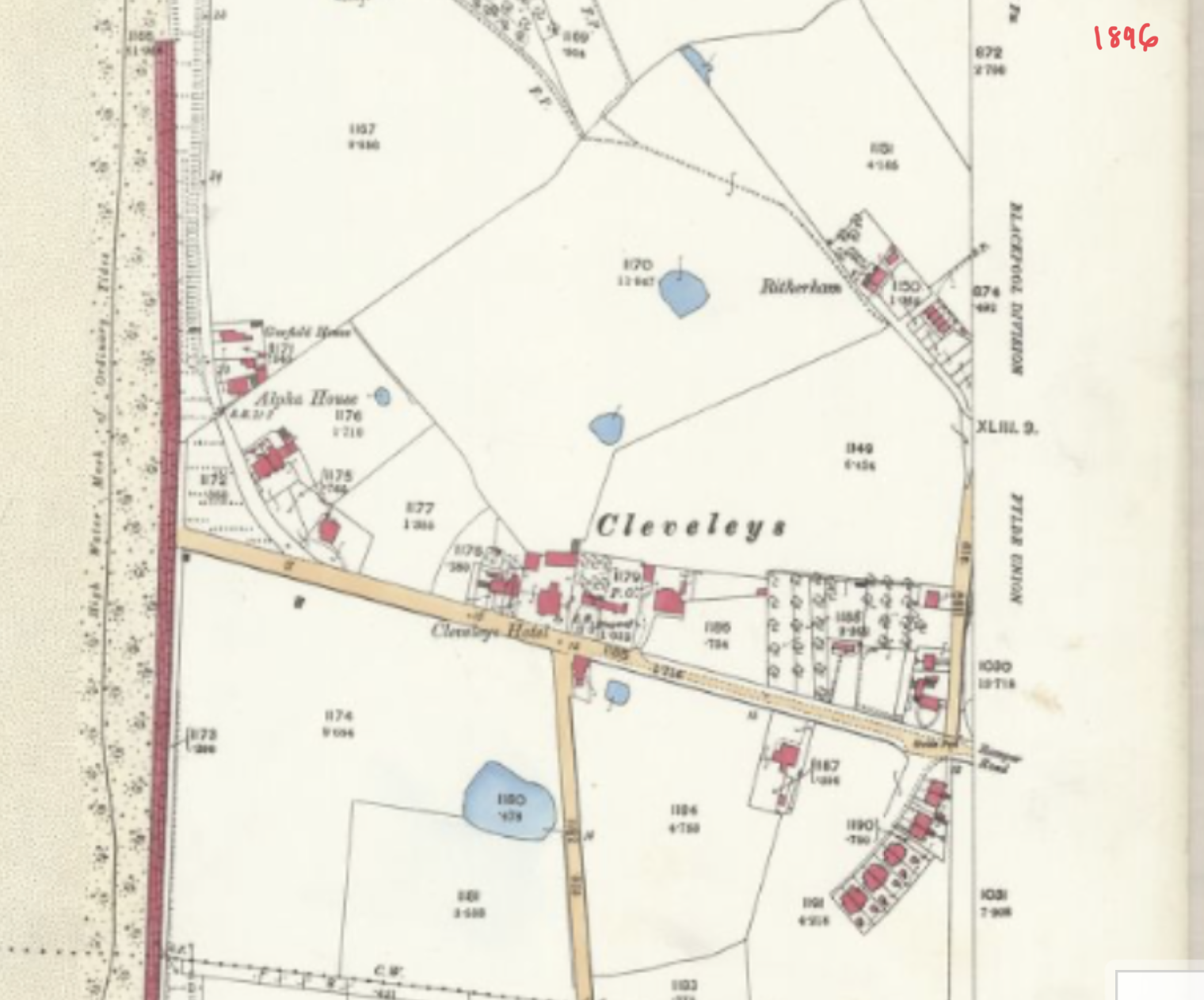
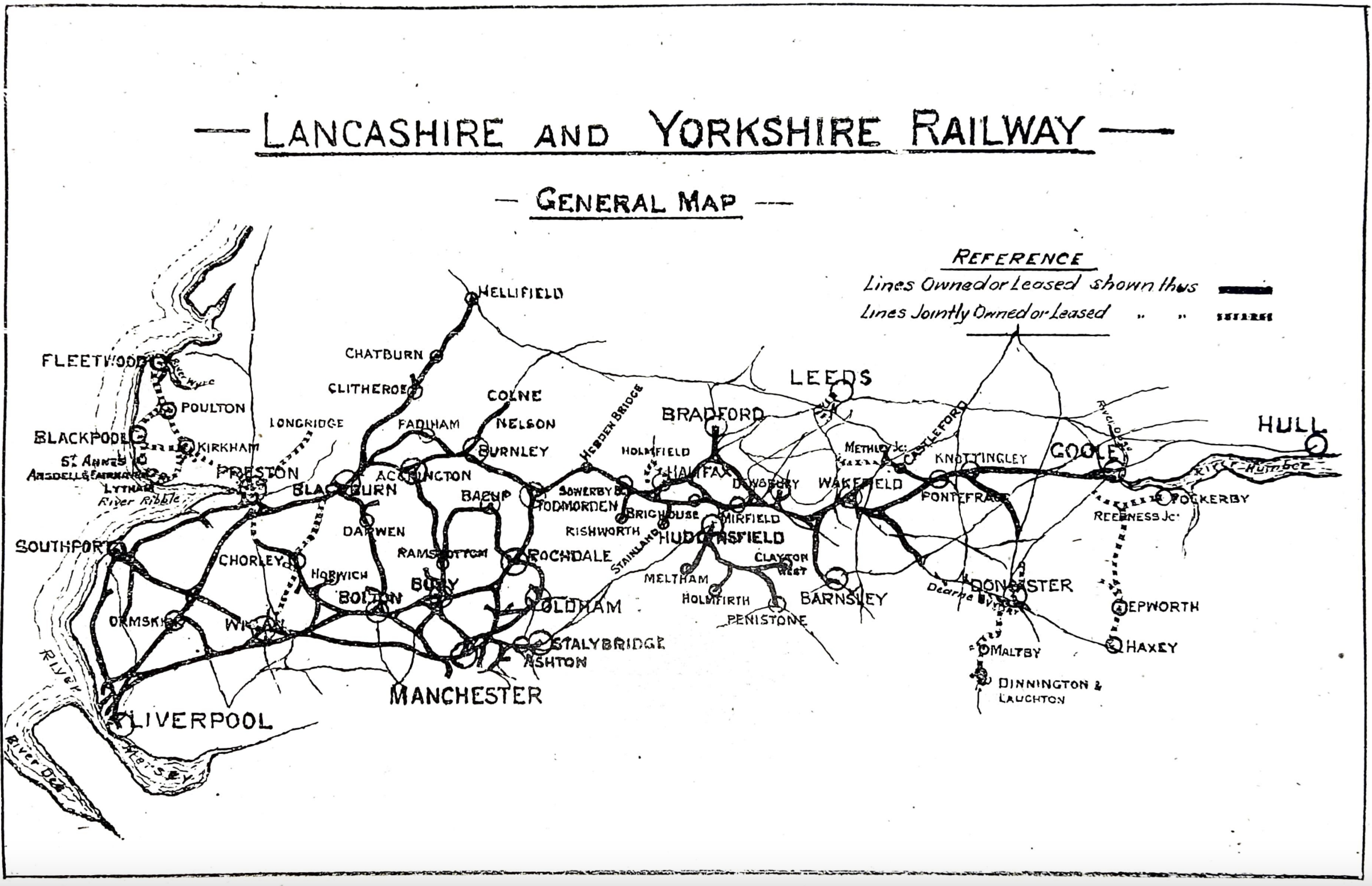
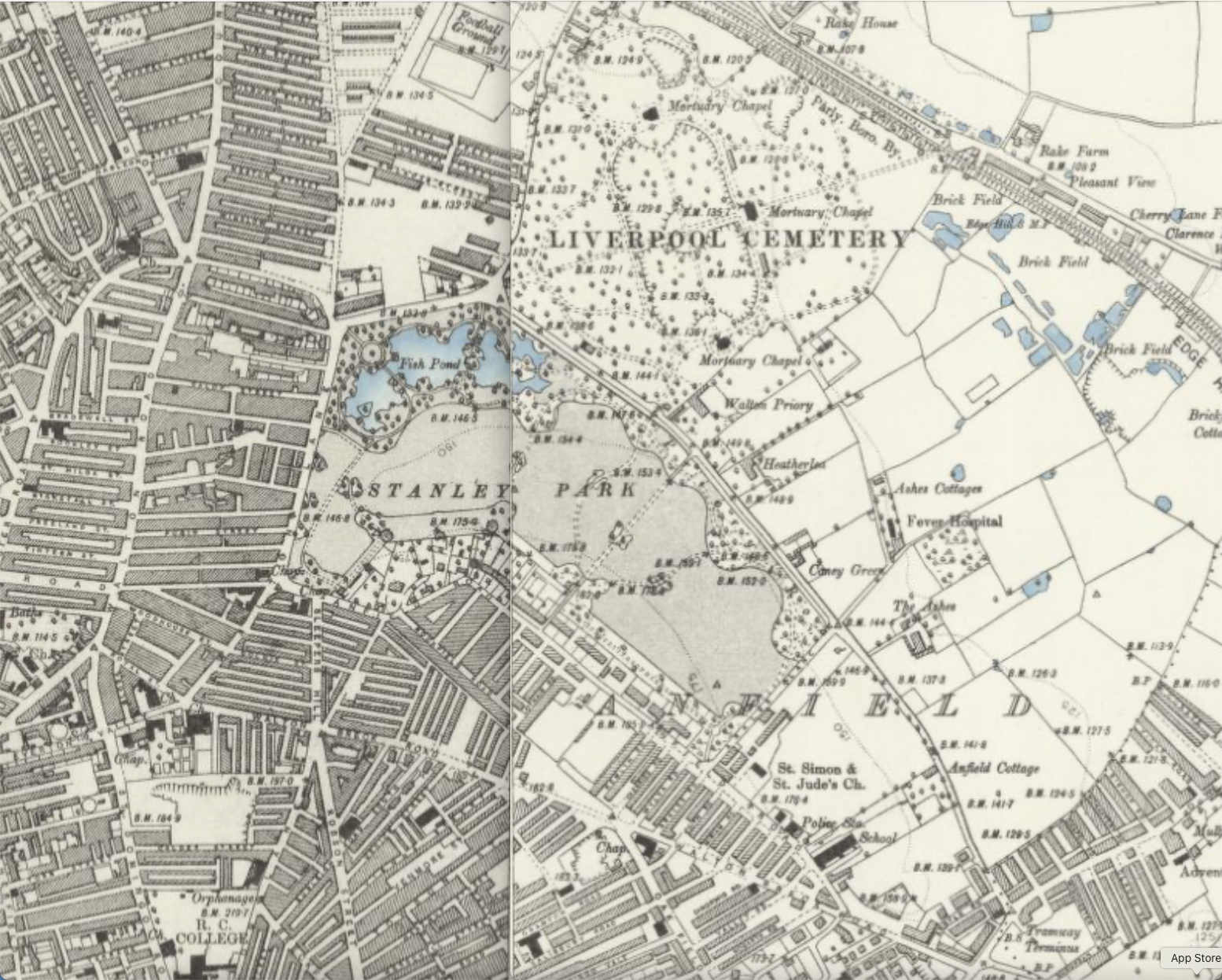
…to war-time Liverpool
The family’s supernatural gifts skip Agnes’ eldest daughter Tinnie who works in service to help support her five younger siblings. Frustrated and resentful about her lot in life, young Tinnie becomes jealous of her younger sister Maggie, who inherits the family’s link to the supernatural. In an attempt to escape her fate of drudgery, she begins a passionate affair with the gardener where she works until she falls pregnant and discovers he’s already married.
Determined to take control of her own life and not follow her grandmother Ellen’s path, Tinnie takes matters into her own hands.
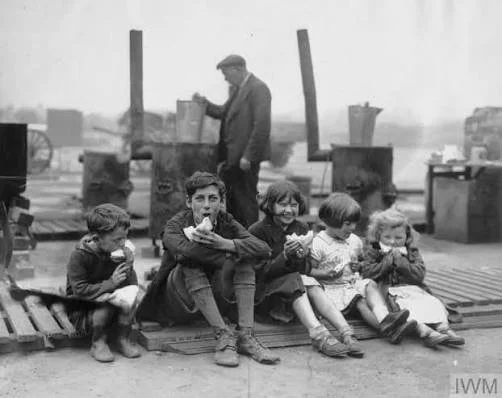
But despite her efforts, history repeats itself as Tinnie works to hide her past and build a better life for daughter Nell in 1900s Liverpool, only for Nell to come full circle during World War One.



For fans of…
-
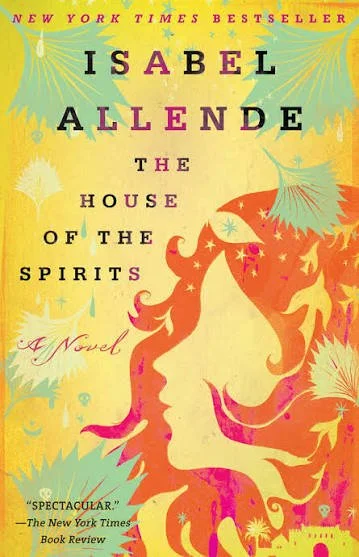
The House of the Spirits, Isabelle Allende
An epic sociopolitical, feminist novel of magical realism spanning four generations of the Trueba family, set in South America during the twentieth century. Looking at themes of patriarchy, survival, memory and family dynamics across generations.
-
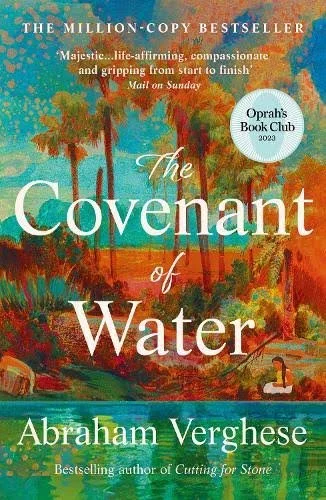
The Covenant of Water, Abraham Verghese
Set in South India and spanning 80 years, the novel follows three generations of a family haunted by a mysterious condition drowning at least one person per generation. Exploring themes of caste, colonialism, faith, medicine and a woman’s strength and endurance.
-
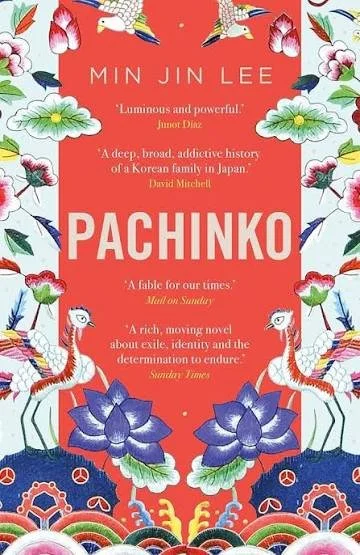
Pachinko, Min Jin Lee
An epic historical novel following four generations of poor Korean migrants who move to Japan between 1910 and 1980. The novel explores themes of identity, systemic racism, generational trauma, survival and a woman’s ability to endure.